Antioxidants Need Pro-oxidant Foods for Vasodilator Function Balance
/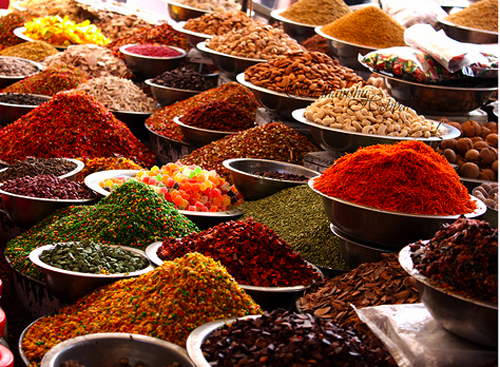 Photo via Sudhamshu’s photostream at FlickrA group of global food nutrition researchers has analyzed the oxidative content of over 3000 different foods from around the world, with the discovery that culinary herbs and spices have the highest antioxidant content.
In addition to a wide range of herbs and spices, the group looked at berries, beverages, cereals, chocolates, seafood, fruit, grains, legumes, meat, fish, nuts and seeds, vegetables and oils.
The culinary herbs and spices that have the greatest antioxidant content were clove, allspice, peppermint, cinnamon, oregano, thyme, sage and rosemary.
Antioxidant Rich Spices
According to a press release by website Medical Herbs and Spices, the average antioxidant activity of spices was 300% higher than that of berries, 2300% greater than that of other fruit, 3600% higher than that of vegetables and 600% more than that of nuts.
Authors of the release say that the research findings mirror those from a study on culinary herbs and spices published in the July 2006 edition of the American Journal of Clinical Nutrition.
Realistically, spices are used in small amounts, compared to foods like prunes, raisins, blueberries and yes acai berries. Little science argues that spices are bad for you, but their purely quantitative score — compared to chocolate, fruits or vegetables — shouldn’t drive dietary decisions.
The most important consideration of all the new research on antioxidants, oxidative stress, and the longterm effects of changes in diet are not proven science in many cases. Many of the hypotheses in food science come from studying successful diets like the Mediterranean diet or the French paradox.
Listening to all the nutrition news about antioxidants, it seems that we should eat as many of them as possible. Not true — at least not without balancing our diets.
Balancing Antioxidants and Pro-oxidant Foods
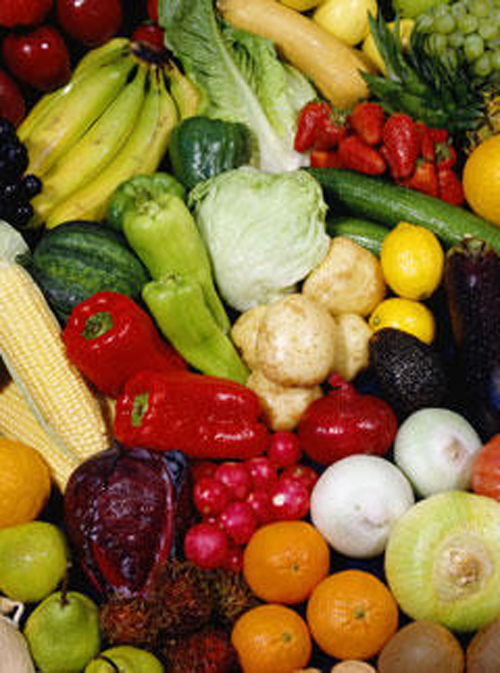 In 2010 scientists at Kansas State University cautioned nutritionists that while antioxidants are very important, it’s possible to eat too many superfoods, overdosing on too much good stuff.
We must keep our systems in balance with enough pro-oxidants to counterbalance the antioxidants.
Antioxidants slow down the damage done to muscles and other organs, whereas the pro-oxidants speed it up.
Too many antioxidants can tip this careful balance and make it harder for the elderly to breathe and impair muscle function.
Steven Copp, who took part in the research published in the Journal of Applied Physiology in 2010, says: ‘People don’t realise that the antioxidant and pro-oxidant balance is really delicate.
Antioxidant therapy takes away hydrogen peroxide — and other naturally occurring vasodilators (blood vessel dilators) — and affects the body’s ability to deliver oxygen to the muscles so they do not work properly, Copp said.
When asked about pro-oxidant food and recommended amounts, researchers said that more study is necessary but ‘eat sensibly’. We will investigate this subject further.
The physiological effects of pro-oxidants points to vasodilator foods, which are in strong supply as foods recommended here at Anne of Carversville.
Garlic and celery are natural vasodilators as are olive oil, fish oils and walnuts. Watermelon is a vasodilator. It’s possible that some of the healthiest foods have both properties, a reality not made clear in either the Copp study or Internet literature.
I am taking cayenne supplements to speed up my metabolism. Capsaicin is the active compound of cayenne pepper. Other active compounds include carotenoids, vitamin C and volatile oils. The carotene molecules of cayenne exert powerful antioxidant effects. There’s a dual function in the same food.
This ‘natural balance’ diet researchers speak of is found in the Mediterranean Diet, which balances both antioxidant and pro-oxidant foods. We’re particularly concerned about keeping the vasodilator body functions in first rate condition. Anne